A.I. might be here to stay, but the more your children use it, the more it undermines their critical thinking skills.”.
AI is rewiring children’s ability to think
for themselves …. And parents are
noticing.
This isn’t about banning AI.
It’s about preventing silent dependence — and teaching your child how to think with AI instead of letting it think for them.
A Moment Many Parents
Recognize
There’s usually a moment.
Homework gets finished unusually fast.
An essay sounds polished — almost too polished.
You ask, “Walk me through how you got that.”
Or says something like:
“If AI can do it, why do I need to learn it?”
Most parents don’t panic.
They just feel something shift.
Because it’s not about catching them doing something wrong.
It’s the realization that something important might be getting bypassed — and you’re not sure where the line is anymore.

What’s Actually At Stake
Most conversations about AI focus on grades and efficiency, but what really concerns parents is thinking-- working through uncertainty.
83% of students are already concerned that AI can negatively impact their critical-thinking and decision-making skills.
When children use AI without structure, they:
- accepting polished answers without examining them
- outsourcing judgment and verification
- avoiding the friction of confusion
- skipping tradeoffs and deeper reasoning
- trusting confident-sounding output even when it’s wrong
Those habits don’t stay in homework.
They become defaults.
And defaults shape capability — especially during the years when the brain is still wiring how it handles complexity.
The real question isn’t:
“Is AI good or bad?”
It’s:
What is my child practicing repeatedly — and what will that practice turn into five years from now?
Because five years from now, the difference won’t be who had access to AI.
It will be who learned to think with it — and who quietly outsourced that ability.
This is the Most Critical Development Stage
Late elementary, middle school, and early high school aren’t just academic stages.
They’re training years for how the brain learns to:
- concentrate
- reason clearly
- hold competing ideas
- detect weak logic
- verify what’s true
- persist through difficulty
Now is the most impactful time
for developing brains:
If reasoning is consistently bypassed now, it will feel unnatural later.
If judgment isn’t practiced now, it might never develop well.
That window doesn’t close overnight.
But it does close gradually.
This is why the goal isn’t “no AI.”
The goal is structure before habits harden.

What You’ll Learn (And Why This Is Different)
Dr. Steve Pearlman has spent more than a decade studying how critical thinking develops as a measurable outcome — not as a slogan.
He was hired to raise critical thinking performance across an entire university and founded what he describes as the first academic department dedicated specifically to improving thinking outcomes at scale.
Most advice about AI and kids focuses on rules:
Limit it. Monitor it. Restrict it.
But thinking doesn’t strengthen through restriction alone.
It strengthens through guided practice.
This framework works from the inside-out — starting with how the brain forms instincts and patterns, then intentionally training those mechanisms stronger reasoning and judgment.
Format (built for busy parent)
~10 short lessons (about 10 minutes each)
Plus simple home guides you can implement immediately.
He has distilled that research into a concise, parent-focused system:
How to Raise Critical Thinkers in the AI Age
In the full framework, you’ll learn:
- What the emerging research suggests AI is doing to developing brains
- Why well-meaning parents can unknowingly reinforce AI dependence
- When AI weakens reasoning rather than deepening learning
- How to teach your child to evaluate AI output instead of absorbing it
- How to handle the two biggest pressure points: writing and summarizing with AI
- Practical guardrails that reduce resistance while building independence
- how to model strong AI use so your child copies the right behaviors
Trusted in High-Performance Rooms
Decades of Experience.
Proven in the Real World.
Dr. Steve Pearlman has spent years speaking, teaching, and working alongside leaders,
entrepreneurs, experts, and influential voices across business, media, and personal development.

Mike Lazerow
Billionaire, Salesforce, Entrepreneur
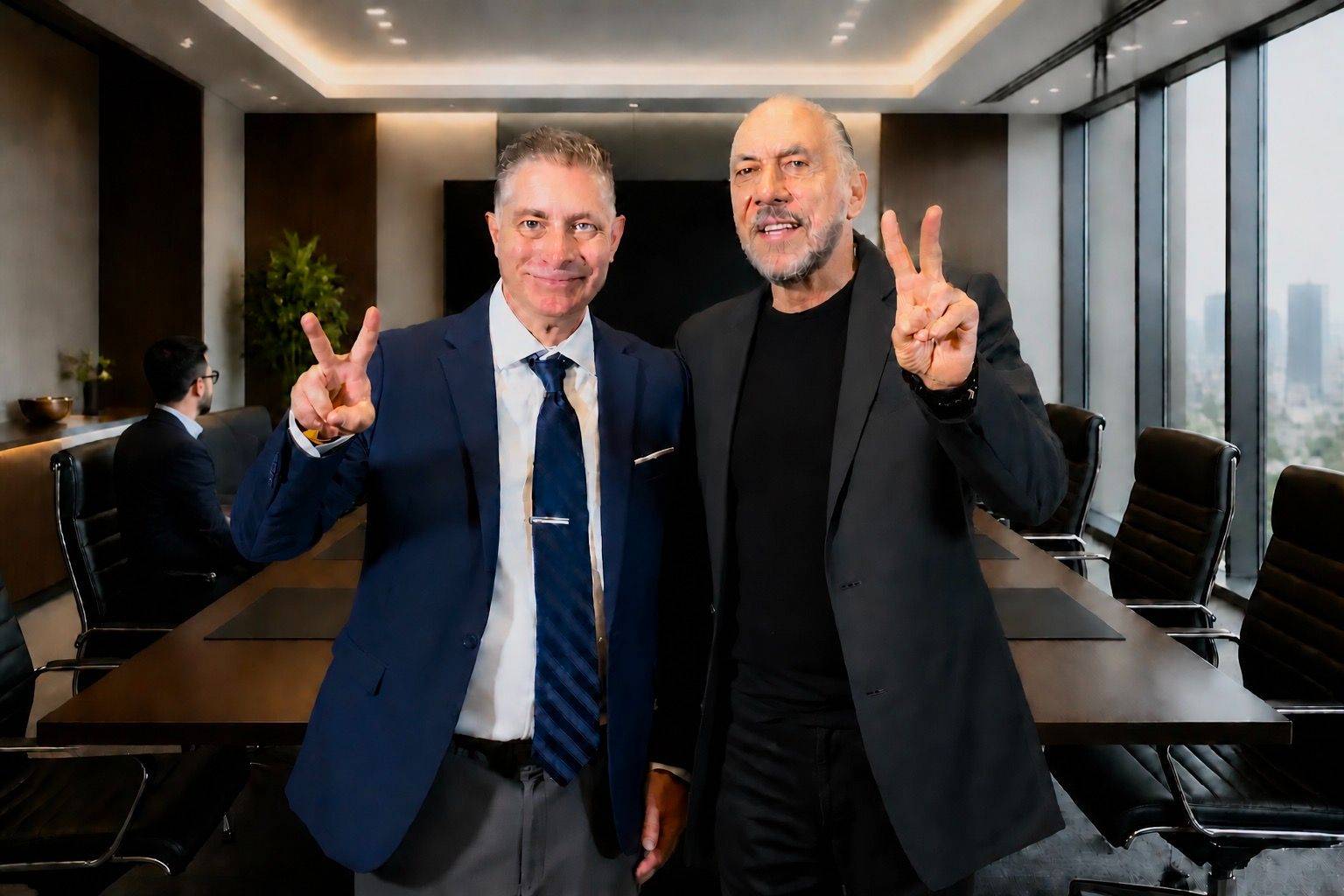
John Paul DeJoira
Billionaire, Patron Tequila & John Paul Mitchell

Charlie Sheen
Actor

Mario Lopez
Access Hollywood
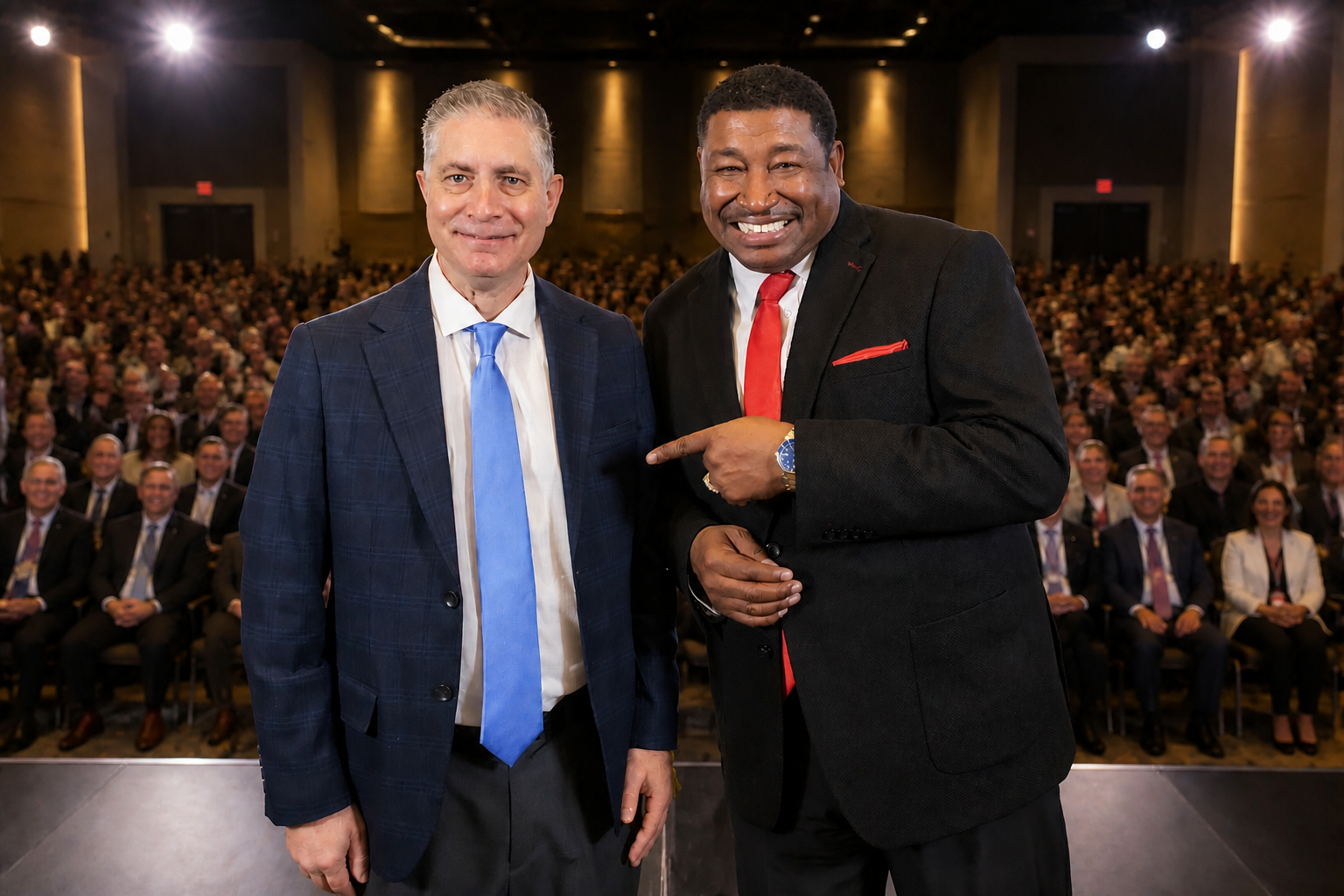
“Birdman” Billy Ray Taylor
CEO Goodyear (fmr)

Bruce Cardenas
Billionaire, Quest Nutrition

Hugh Hilton & JT Foxx
Billionaire Entrepreneurs & Consultants

From stages and conferences to private conversations with leaders across industries,
Steve’s real-world experience became the foundation for this framework.
What This Program Changes For You At Home
When structure is introduced early, something different happens.
Your child begins to:
- think independently and explain their reasoning clearly, even when AI is involved
- eases your stress that AI isn’t killing your children’s thinking skills
- verify sources instead of trusting them blindly
- Empowers your children with confidence that they can think and succeed without AI (and still with it)
And you’re no longer guessing where the line is.
You have principles — not just rules.
You can respond calmly, consistently, and in a way that builds independence rather than fear.

You can’t slow the growth of AI, but you can stop it from hurting your children”
And you probably shouldn’t try.
But you can influence what your child practices repeatedly.
Practice becomes ability.
Ability becomes identity.
See the Framework Most Parents Don’t Realize They Need Yet
Understand the cognitive shift that will determine whether AI strengthens your child’s thinking — or quietly reshapes it underneath the surface.
View the Full Program & Immediate Access